Sustainable Living in Jerusalem: Green Home Solutions
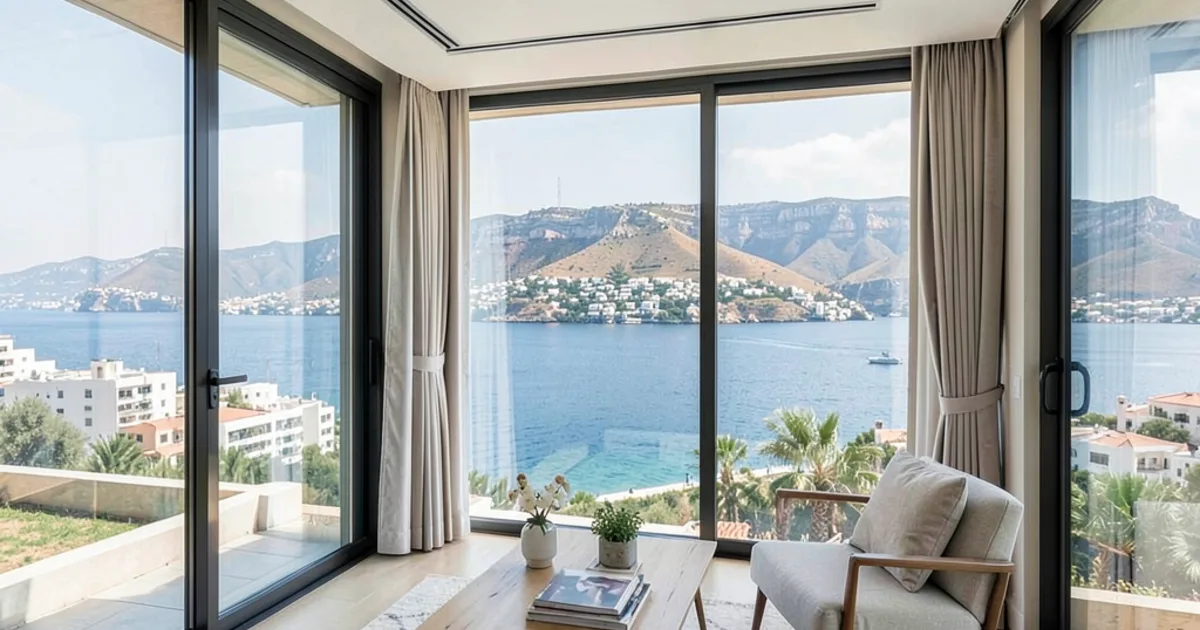
Jerusalem presents a unique architectural landscape where ancient stone traditions meet modern urban density. For homeowners and investors, integrating sustainable living into this historic context offers both environmental benefits and long-term financial advantages. This guide explores the practical green home solutions available for those looking to optimize their properties within the Holy City.
- The Intersection of Heritage and Ecology in Jerusalem
- Harnessing Thermal Mass: The Power of Jerusalem Stone
- Energy-Efficient Climate Control Solutions
- Water Conservation Strategies for an Arid Climate
- The Financial Landscape: Mortgages, Taxes, and Green Incentives
- Sustainable Living in Key Jerusalem Neighborhoods
- Legal and Administrative Steps for Green Upgrades
- Smart Technology for Resource Management
- Retrofitting Historic Properties: A Delicate Balance
- The Long-Term Value of Green Real Estate
- Navigating the Administrative Process
- Conclusion: Embracing the Green Future of Jerusalem
The Intersection of Heritage and Ecology in Jerusalem
Living sustainably in Jerusalem requires a nuanced understanding of the city's unique architectural identity. The prevalence of traditional Jerusalem stone creates a landscape that is both beautiful and structurally distinct from modern glass-and-steel cities. While these stone structures offer inherent benefits, they also present specific challenges for modern energy efficiency and environmental integration.
The transition toward green living is not merely a trend in the local real estate market; it is a response to the specific climatic demands of the region. As the city grows, the pressure on local resources like water and electricity increases, making efficient home solutions more critical than ever. Homeowners must balance the desire for historical preservation with the necessity of modern, eco-friendly upgrades.
Understanding this balance is the first step for any resident looking to improve their property's footprint. Whether you are purchasing a new apartment in Baka or renovating a historic villa in the German Colony, the approach to sustainability will differ significantly. This complexity is what makes the Jerusalem real estate market so specialized and rewarding for those who do an educated approach.
- Balancing historical preservation with modern efficiency
- Responding to local resource scarcity
- Adapting to the unique Jerusalem microclimate
Harnessing Thermal Mass: The Power of Jerusalem Stone
One of the most significant advantages of traditional Jerusalem architecture is the use of high-quality limestone. This material provides exceptional thermal mass, which means the walls can absorb heat during the day and release it slowly during the cooler nights. In neighborhoods like Rehavia, this natural regulation can significantly reduce the need for intensive mechanical heating and cooling.
However, simply having stone walls does not guarantee a sustainable home. Older buildings may suffer from thermal bridging or inadequate insulation in the roof and window cavities. To truly leverage the thermal properties of the stone, homeowners should consider professional thermal imaging to identify where heat is escaping or entering the structure.
When integrating modern solutions, it is vital to work with a local contractor who understands how to treat stone without damaging its aesthetic or structural integrity. Adding internal insulation or upgrading to high-performance glazing can complement the stone's natural benefits. This approach ensures that the home remains energy-efficient while maintaining its prestigious historical character.
- Utilizing limestone for natural temperature regulation
- Identifying thermal bridging in older stone structures
- Complementary glazing for improved insulation
Energy-Efficient Climate Control Solutions
The climate in Jerusalem can be quite variable, with hot, dry summers and chilly, damp winters. Achieving energy efficiency requires a multi-faceted approach to climate control that goes beyond simple air conditioning. Homeowners are increasingly looking toward heat pump technology, which offers a more sustainable alternative to traditional electric heating and cooling systems.
Solar energy plays a massive role in the Israeli household, particularly through the use of solar water heaters, commonly known as a 'Dud Shemesh.' These systems are standard in many residential areas and provide a highly efficient way to manage hot water needs using renewable energy. Integrating more advanced solar photovoltaic panels can further reduce a home's reliance on the national grid.
Managing energy consumption also involves smart home integration. Installing intelligent thermostats and automated lighting systems can prevent energy waste in unoccupied rooms. For those living in denser areas like Katamon, where balcony space might be limited, looking into communal solar agreements or high-efficiency window treatments is a practical way to manage solar gain.
- Implementing heat pump technology for year-round comfort
- Optimizing 'Dud Shemesh' solar water heating systems
- Smart home automation to reduce electricity waste
Water Conservation Strategies for an Arid Climate
Water is one of Israel's most precious resources, and living sustainably in Jerusalem necessitates rigorous water management. In residential settings, this begins with the installation of low-flow fixtures in kitchens and bathrooms. While these upgrades are relatively simple, they can lead to a noticeable reduction in monthly water usage and associated costs.
For homes with private gardens or terraces, greywater recycling systems offer a sophisticated way to reuse water from sinks and showers for irrigation. This is particularly beneficial in the drier months when garden maintenance is high. Implementing such a system requires careful planning to ensure it meets local municipal health and safety standards.
Xeriscaping is another essential strategy for the Jerusalem landscape. Instead of maintaining water-intensive lawns, homeowners can opt for native Mediterranean plants that require minimal irrigation. This not only conserves water but also supports local biodiversity and reduces the need for chemical fertilizers that can runoff into the city's drainage systems.
- Low-flow plumbing fixtures for immediate impact
- Greywater recycling for garden irrigation
- Xeriscaping with native, drought-resistant plants
The Financial Landscape: Mortgages, Taxes, and Green Incentives
Investing in green home solutions involves navigating a complex financial landscape. When securing a 'Mashkanta' (mortgage), some financial institutions may offer more favorable terms for properties that meet certain energy-efficiency standards. It is always prudent to inquire with your mortgage provider about any specialized green loans or incentives available for sustainable renovations.
When purchasing a property, you must also account for 'Mas Rekhisha' (purchase tax) and the overall cost of any planned environmental upgrades. If you are selling a property that has been significantly improved with green technology, you should consult with a professional regarding 'Mas Shevah' (capital gains tax). Ensuring that all improvements are properly documented can be vital for your tax positioning.
Furthermore, the efficiency of a home can impact your 'Arnona' (municipal property tax) in certain jurisdictions, although this varies by municipality. While the upfront cost of green technology might be higher, the long-term reduction in utility bills and the potential for increased property value often provide a strong return on investment. Always conduct a thorough cost-benefit analysis before committing to major retrofits.
- Exploring green 'Mashkanta' options with lenders
- Managing 'Mas Rekhisha' and 'Mas Shevah' during renovations
- Evaluating the long-term ROI of energy-efficient upgrades
Sustainable Living in Key Jerusalem Neighborhoods
The approach to sustainability often depends on the specific neighborhood in which you reside. In Baka, for instance, many properties are newer or have undergone recent renovations, making it easier to integrate modern smart-home technologies and efficient HVAC systems. The community here often values a blend of modern convenience and ecological awareness.
In contrast, the German Colony and Rehavia present a different set of challenges and opportunities. These areas are characterized by grand, historic villas and older stone buildings. Sustainability here is often about 'invisible' upgrades, improving insulation, upgrading windows, and optimizing water systems without altering the protected architectural facades.
In more densely populated areas like Katamon, space is at a premium. Sustainable living in these neighborhoods might focus more on shared resources, such as communal solar energy projects or community-led recycling initiatives. Understanding the local neighborhood dynamics is essential for choosing the right green solutions for your specific living environment.
- Baka: Modern integration and smart technology
- German Colony/Rehavia: Discreet, high-end historical retrofitting
- Katamon: Space-efficient and community-based solutions
Legal and Administrative Steps for Green Upgrades
Before embarking on any significant green renovation, it is crucial to understand the legal framework. Most structural changes, such as installing large solar arrays or changing window configurations, require approval from the Jerusalem Municipality. Failing to obtain the correct permits can lead to significant legal complications and issues during a future sale.
When entering into a property purchase, ensure that any existing green features are clearly outlined in the binding memorandum. This document is vital for confirming that the property meets the specifications you expect, such as the presence of a functioning solar water heater or specific insulation standards. Verifying these details through the 'Tabu' (land registry) is also a recommended practice.
For many newcomers, the language barrier can make navigating municipal bureaucracy difficult. It is often helpful to work with a local agency or a legal professional who can translate technical requirements and ensure that your green upgrades comply with all local building codes. This proactive approach prevents costly mistakes and ensures a smoother administrative process.
- Securing municipal permits for structural changes
- Verifying green features in the binding memorandum
- Coordinating with the 'Tabu' for accurate property records
Smart Technology for Resource Management
The integration of the Internet of Things (IoT) into the home is a cornerstone of modern sustainable living. Smart sensors can monitor water usage in real-time, alerting you to leaks that might otherwise go unnoticed for weeks. In an arid climate like Israel's, early detection of a leak can save a significant amount of water and prevent structural damage.
Smart lighting and climate control systems are equally essential. These technologies can be programmed to adjust based on occupancy and time of day, ensuring that energy is never wasted on empty rooms. For residents in Jerusalem, where the sun can be quite intense, automated smart blinds can help manage solar heat gain, keeping interiors cool without over-relying on air conditioning.
Data-driven living allows for much more precise management of household resources. Many modern smart meters can provide detailed breakdowns of electricity and water consumption, allowing you to identify patterns and adjust your habits accordingly. This level of control is a powerful tool for anyone committed to reducing their environmental footprint.
- Real-time leak detection and water monitoring
- Automated solar gain management via smart blinds
- Data-driven energy consumption tracking
Retrofitting Historic Properties: A Delicate Balance
Retrofitting an older home in Jerusalem is a complex endeavor that requires a high level of expertise. The primary challenge is to introduce modern efficiency without compromising the historical integrity that gives the property its value. This often requires a specialized approach to insulation, where materials are chosen for their ability to work with stone rather than against it.
One common method is the use of breathable insulation materials. Traditional cement-based insulation can trap moisture within stone walls, leading to dampness and structural issues. A specialized contractor will recommend materials that allow for natural moisture exchange, preserving both the health of the building and its aesthetic appeal.
Window replacement is another critical area. While modern double or triple-glazed windows offer superior thermal performance, they must be selected carefully to match the historical profile of the building. Using high-performance materials that mimic the appearance of original frames is a common way to achieve both efficiency and architectural harmony.
- Using breathable insulation to prevent moisture buildup
- Matching historical window profiles with high-performance glazing
- Coordinating with specialists to protect stone integrity
The Long-Term Value of Green Real Estate
As environmental awareness grows, sustainable features are becoming increasingly important to the Jerusalem real estate market. Buyers are no longer just looking at the number of rooms or the location; they are also considering the long-term cost of ownership. A home that is energy-efficient and water-conscious is often seen as a more 'future-proof' investment.
Properties with documented green upgrades often command a premium in the resale market. This is because these features provide immediate, tangible benefits in the form of lower utility bills and reduced maintenance. In high-end neighborhoods like the German Colony, the demand for eco-friendly luxury is a growing segment of the market.
Furthermore, as regulations regarding energy efficiency and carbon footprints become more stringent, homes that are already optimized will be much easier to sell. Investing in sustainability now is a way to hedge against future regulatory changes and shifting buyer preferences. It is a strategic move that aligns environmental responsibility with sound financial planning.
- Increasing demand for eco-conscious buyers
- Lowering total cost of ownership through efficiency
- Future-proofing against evolving environmental regulations
Navigating the Administrative Process
For many international residents, the administrative side of Jerusalem real estate can be daunting. From understanding the nuances of local building codes to managing permits with the municipality, there is a significant learning curve. This is often where the importance of local expertise becomes most apparent.
The process of upgrading a home often involves multiple stakeholders, including architects, municipal engineers, and specialized contractors. Ensuring that everyone is aligned with the sustainability goals of the project is essential. Clear communication and detailed planning are the best ways to avoid delays and budget overruns.
It is also helpful to engage with local community groups or neighborhood associations. Many areas in Jerusalem have established norms and shared interests regarding urban development and sustainability. Being an active and informed participant in your local community can provide valuable insights into upcoming changes and available resources.
- Managing multi-stakeholder renovation projects
- Overcoming language and bureaucratic barriers
- Engaging with local community and municipal standards
Conclusion: Embracing the Green Future of Jerusalem
Sustainable living in Jerusalem is a journey of balancing the old with the new. It requires a deep respect for the city's historical fabric and a forward-thinking approach to modern technology. While the challenges of retrofitting and navigating local bureaucracy are real, the rewards, both environmental and financial, are substantial.
Whether you are looking to reduce your utility costs, increase your property's value, or simply live more in harmony with the local environment, green home solutions offer a clear path forward. The key is to approach these upgrades with careful planning, expert guidance, and a commitment to long-term efficiency.
As Jerusalem continues to evolve, the integration of sustainable practices will become even more central to the real estate landscape. By adopting these solutions today, homeowners can ensure that their properties remain cherished, efficient, and valuable for generations to come.
- Balancing heritage with modern efficiency
- Prioritizing long-term environmental and financial health
- Adapting to the evolving Jerusalem real estate market
FAQ
How can I improve energy efficiency in an older stone house in Rehavia?
The most effective approach involves enhancing the thermal mass properties of the stone. You should consider installing high-performance glazing that matches the historic aesthetic and using breathable internal insulation to prevent moisture issues.
Are there specific green incentives for homeowners in Jerusalem?
While incentives vary, some mortgage providers may offer more favorable terms for energy-efficient homes. Additionally, you should check with the Jerusalem Municipality for any local programs or grants related to solar installations or water conservation.
What is the best way to conserve water in a Jerusalem garden?
Xeriscaping is the most sustainable option, using native Mediterranean plants that require minimal water. You can also install a greywater recycling system to reuse water from your household for irrigation purposes.
Do I need a permit for installing solar panels on my roof?
Yes, most solar installations require formal approval from the Jerusalem Municipality to ensure they comply with local building codes and aesthetic guidelines. Failing to obtain a permit can lead to legal issues and complications during a future property sale.
Get your personalised shortlist
Listings and up-to-date info, straight to your inbox, free, no obligation.
See Jerusalem homes →